24/7 emergency response
Water, fire and storm damage restoration for commercial buildings.
Call day or night, and the same company handles the cleanup and the rebuild.
After the call
- 01
Call
Tell us the address, what happened and who will meet the crew.
- 02
Dispatch
A crew loads the truck and heads out, day or night.
- 03
Mitigate
Source stopped, water extracted, openings boarded, wet materials out.
- 04
Dry-out
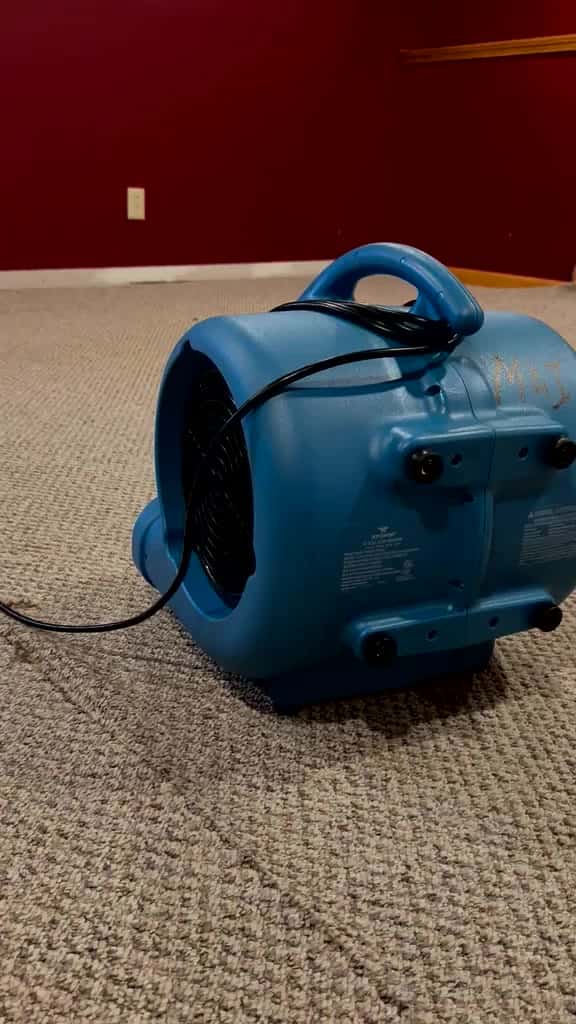
Air movers and dehumidifiers run until the materials read dry.
- 05
Rebuild
We start the rebuild once the estimate is approved.
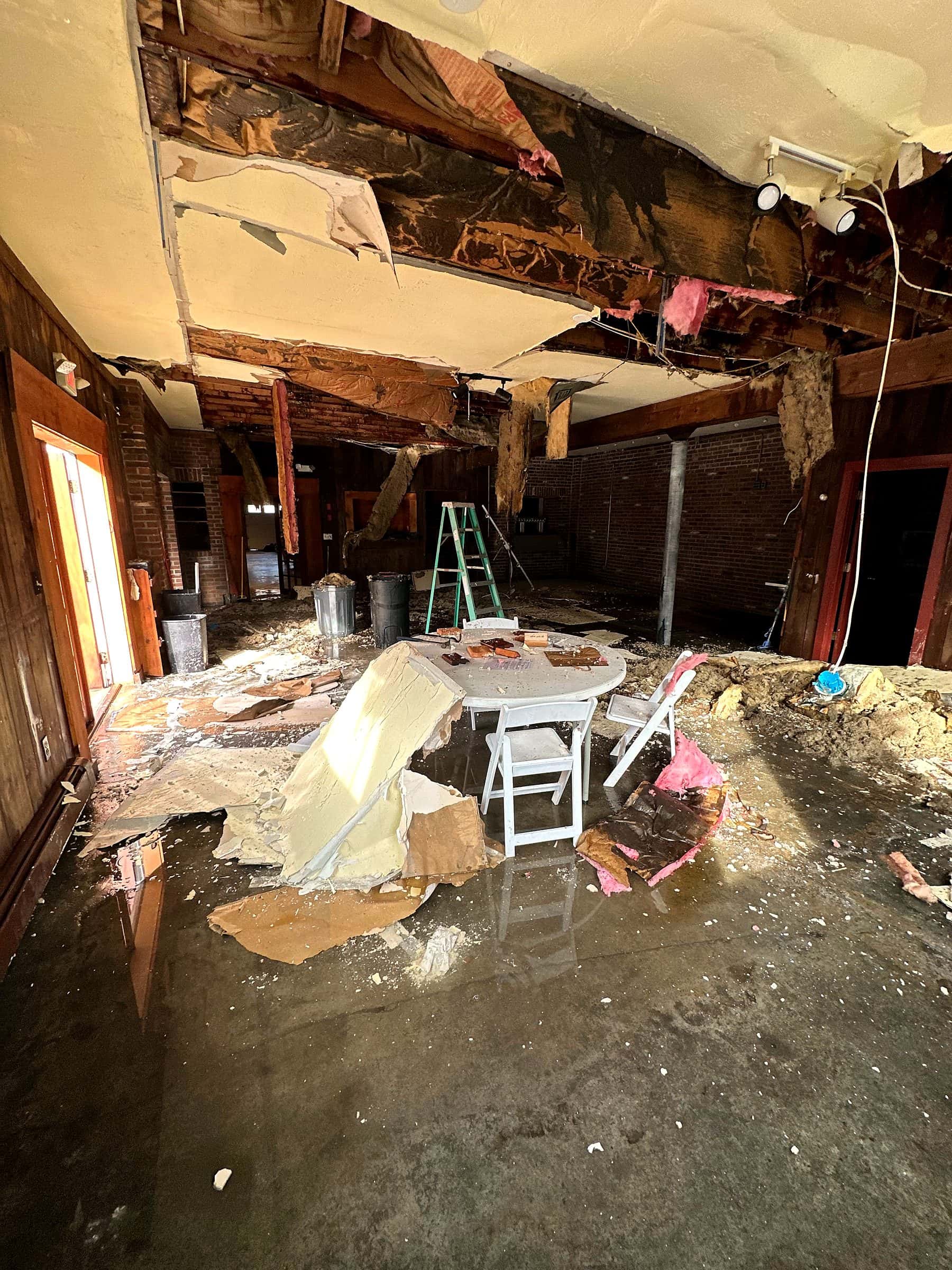
When a pipe bursts or a storm opens up the roof, our crew comes out and stops the damage from spreading. We close off the affected area to protect the rest of the building, and we document everything for your adjuster as we go.
- Emergency line answered 24/7
- Our own carpenters handle the rebuild
- Massachusetts, Connecticut, Rhode Island, New Hampshire
- Licensed and insured, COI on request
- Family-owned since 2004
What we restore
06- 01
After a burst pipe or flooding, the crew stops the source, extracts the standing water and maps the moisture in the walls and floors. Materials that can’t be dried come out, and air movers and dehumidifiers go in. We take readings every day and pull the equipment as each room dries.
We extract the water and dry everything that can be saved, right where it is.
- Extraction
- Structural drying
- Air movers
- Moisture mapping
- Drying logs
- 02
After the fire department releases the building, we board up the openings and tarp the roof. We inventory the contents, then clean them on site or pack them out. Areas the fire didn’t reach get cleaned first so you can use them sooner, and odor treatment comes after the soot is gone.
We clean soot and smoke from the building and its contents, one area at a time.
- Board-up
- Soot removal
- Smoke odor
- Contents
- Pack-out
- 03
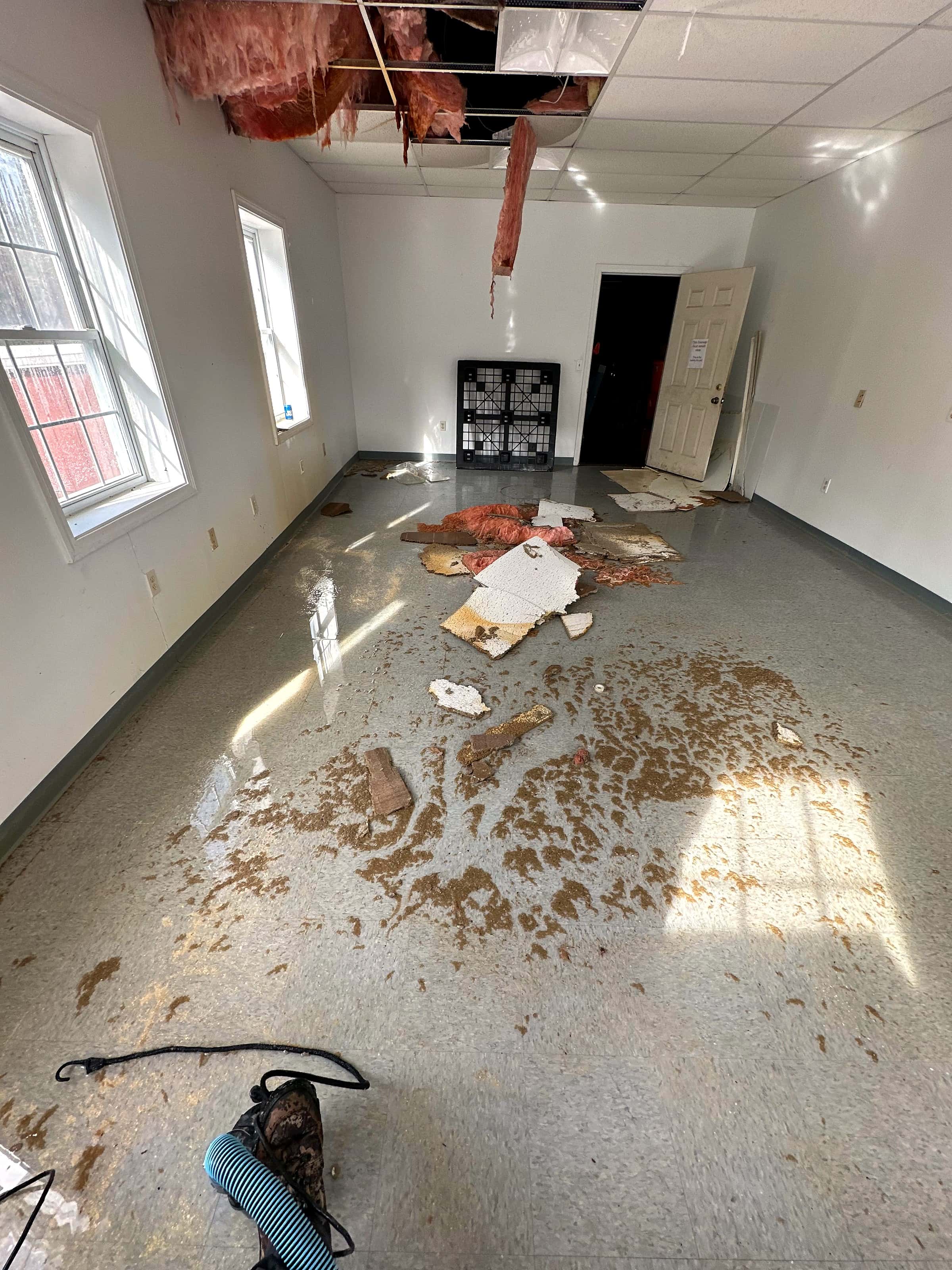
When it’s safe to go up, we photograph the roof and tarp it. We board broken windows and doors on the same visit and clear debris from the entrances and walks. Inside, we pull out wet ceilings and insulation and dry the building like any water job.
After a storm, we close the building up first and then dry it out.
- Roof tarping
- Board-up
- Water intrusion
- Debris removal
- 04
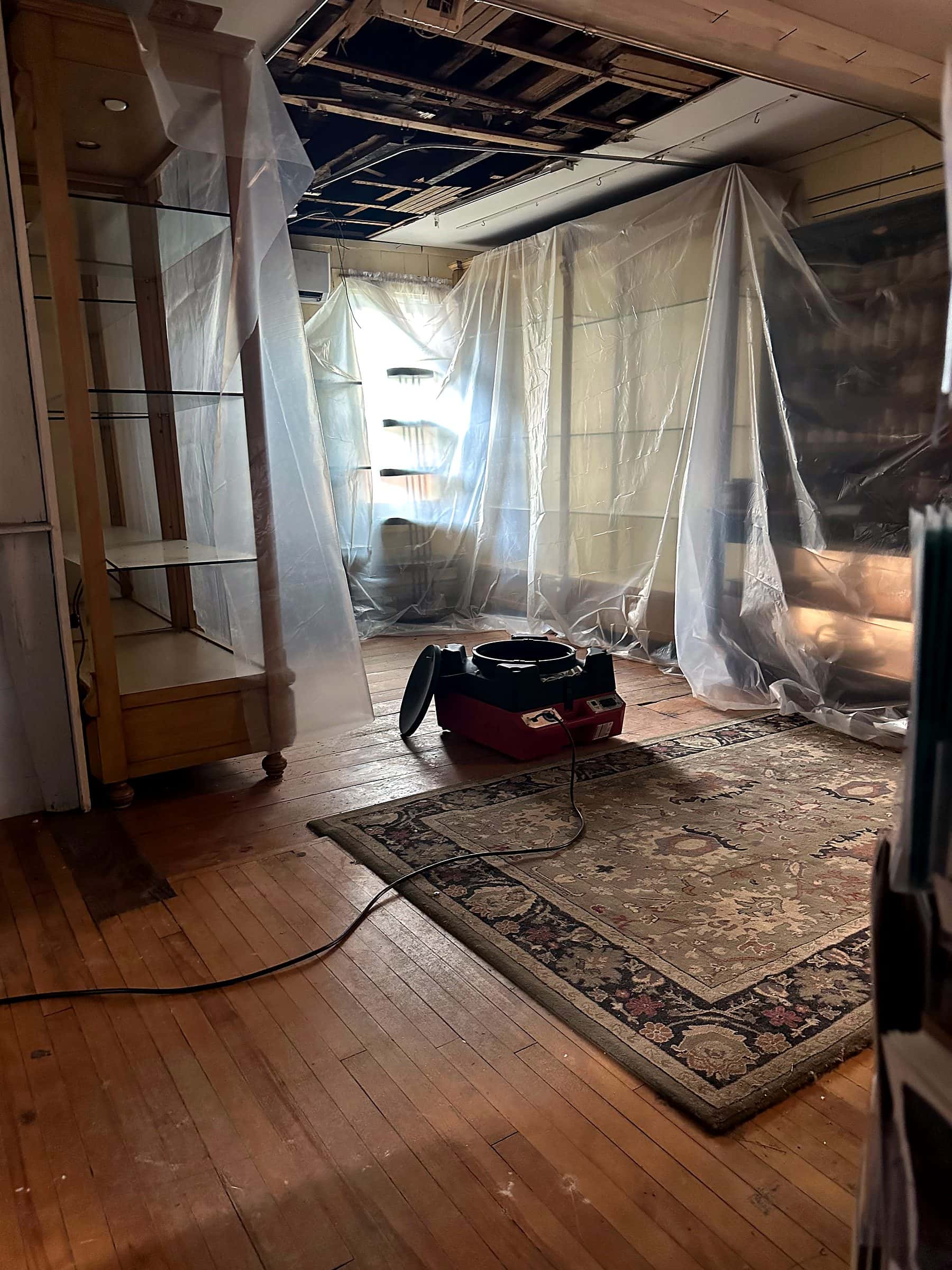
We seal off the work area, then cut out and bag the moldy drywall and insulation. We clean and dry the framing behind it before anything goes back. If you or your carrier want clearance testing, an independent industrial hygienist does it, and the containment stays up until the results come back.
Every mold job starts with finding the leak or humidity that’s feeding it.
- Moisture source
- Containment
- Material removal
- Clearance testing
- 05
We keep the area closed off and deal only with the person you name. We extract the sewage, remove soaked carpet and drywall, and clean and disinfect every hard surface. All biohazard waste leaves the building in sealed, labeled containers.
We clean up sewage backups and bodily fluids, and we keep it private.
- Sewage backup
- Bodily fluids
- Disinfection
- 06
The crew that did the cleanup hands off to our own carpenters and painters, so you keep one contact through the rebuild. We test any suspect materials before demolition and write the repair estimate room by room. We also schedule the electricians, plumbers and HVAC contractors the work calls for.
Our carpenters and painters rebuild the space once it’s clean and dry.
- Repair estimate
- Drywall
- Finish carpentry
- Paint and flooring
- Final walkthrough
What adjusters and carriers get without asking.
You get the file after the first visit and an update every day the equipment runs. We log equipment by room and day, and the invoice comes from that log. The estimate follows your carrier’s format, and if demolition turns up hidden damage, you get photos before we touch it.
Send new losses and questions on an open file to info@micleaningco.com
We document the loss and leave coverage to the owner and the carrier.
Claim file
- 01Initial scope
- 02Moisture map and drying logs
- 03Dated photos by room
- 04Equipment logs
- 05Inventory of removed materials
- 06Completion report
Photographs of restoration work
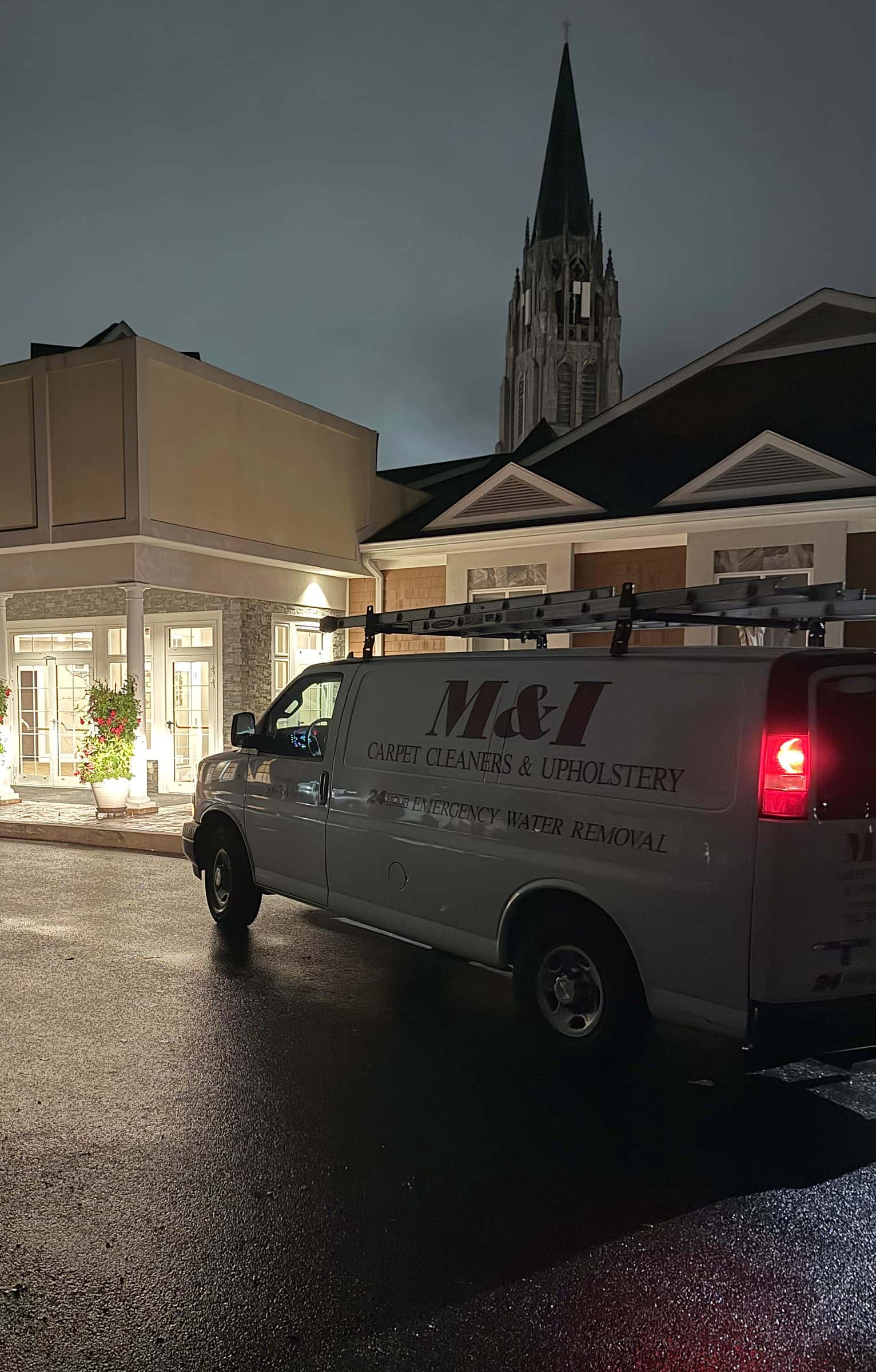
- Van on site, night
- Wet insulation, office floor
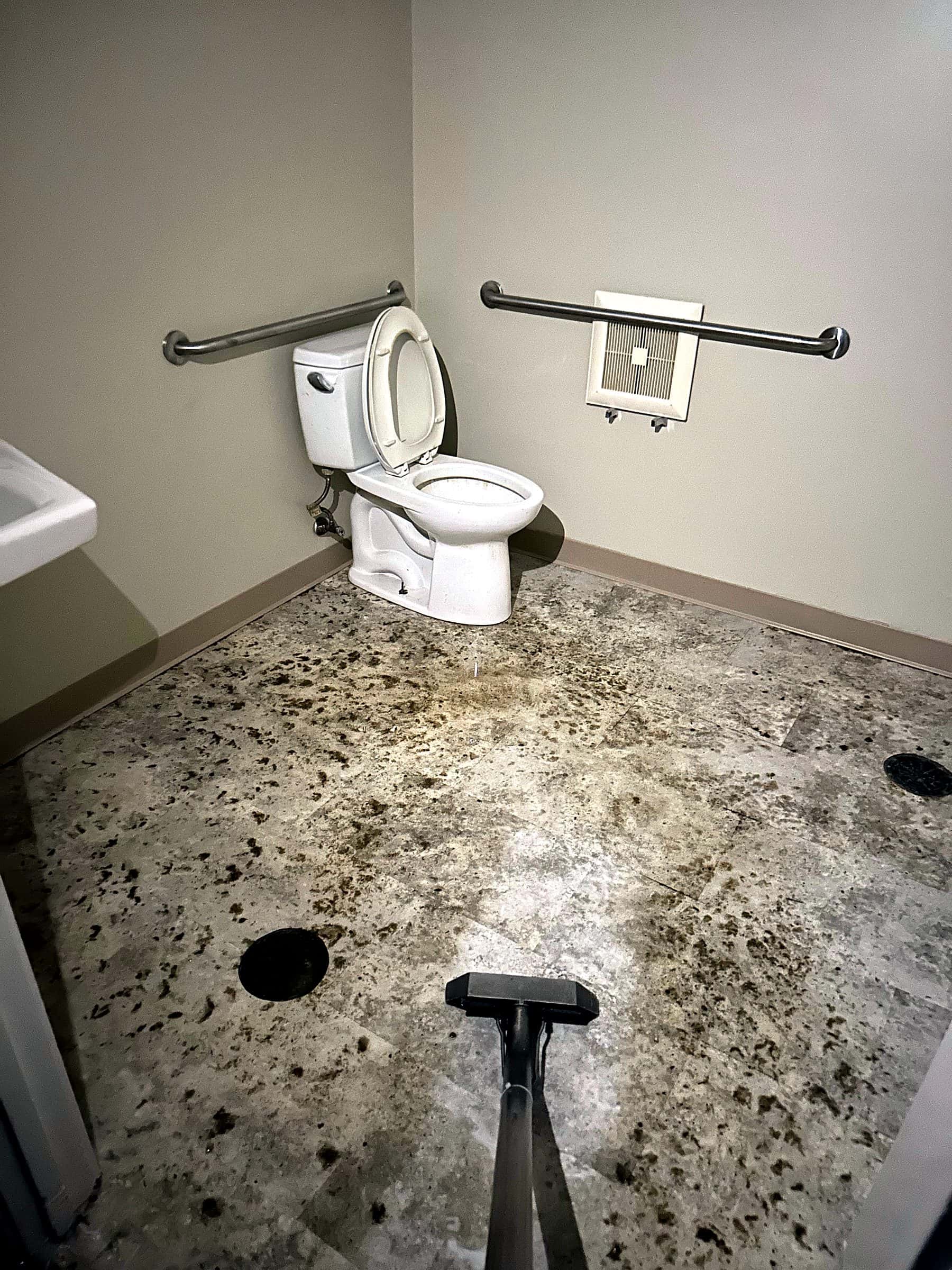
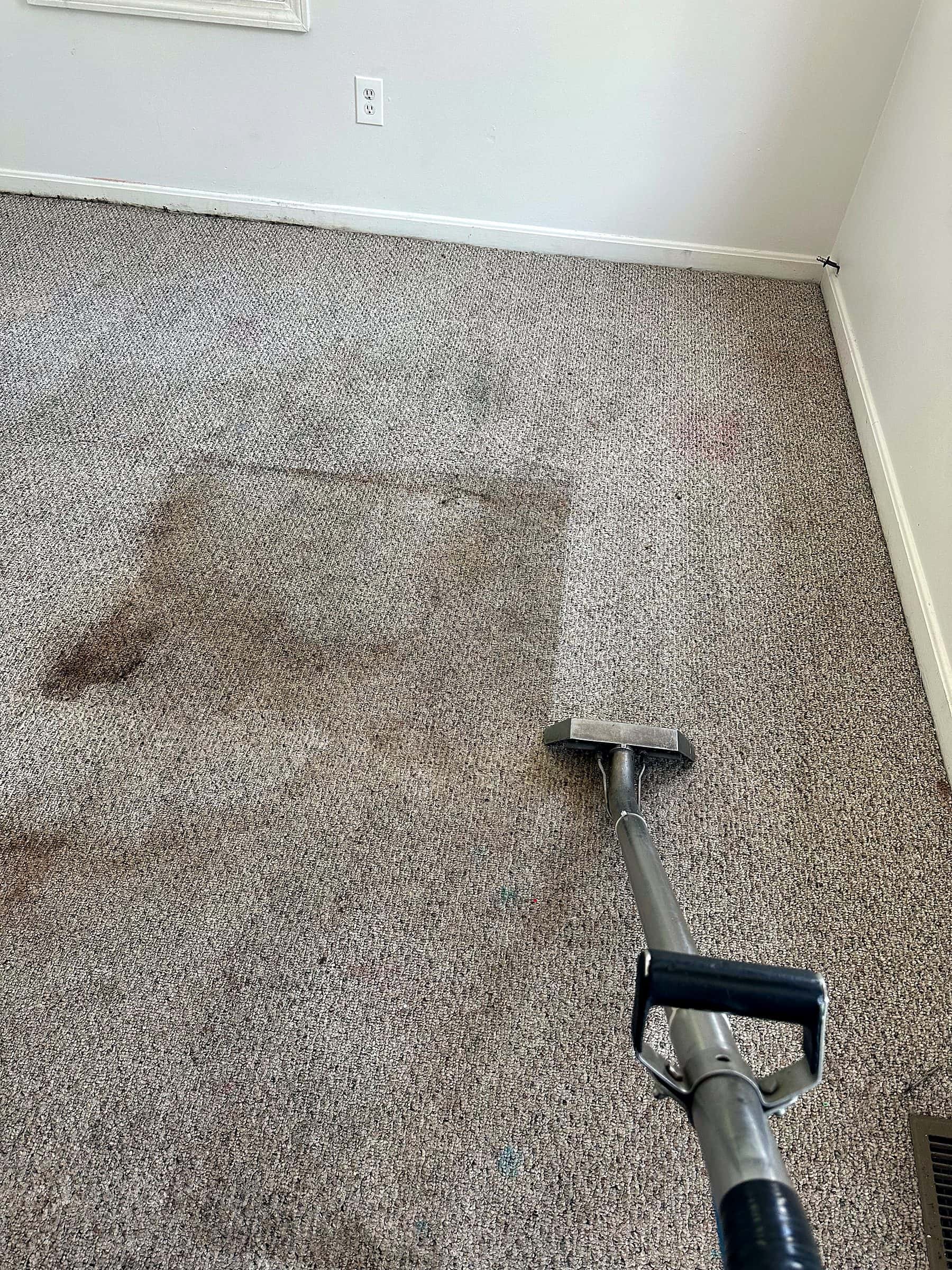
- Extraction wand, stained carpet
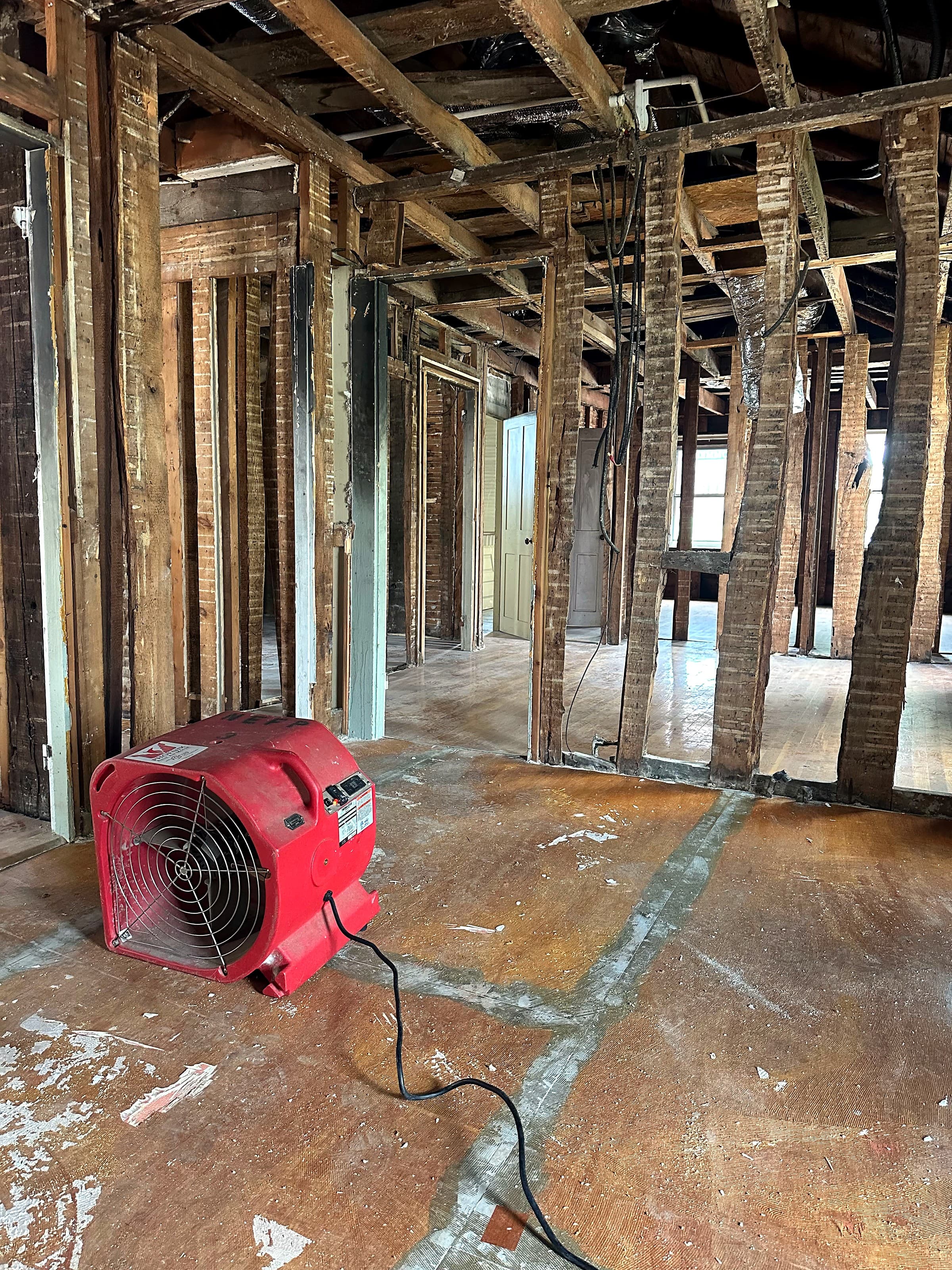
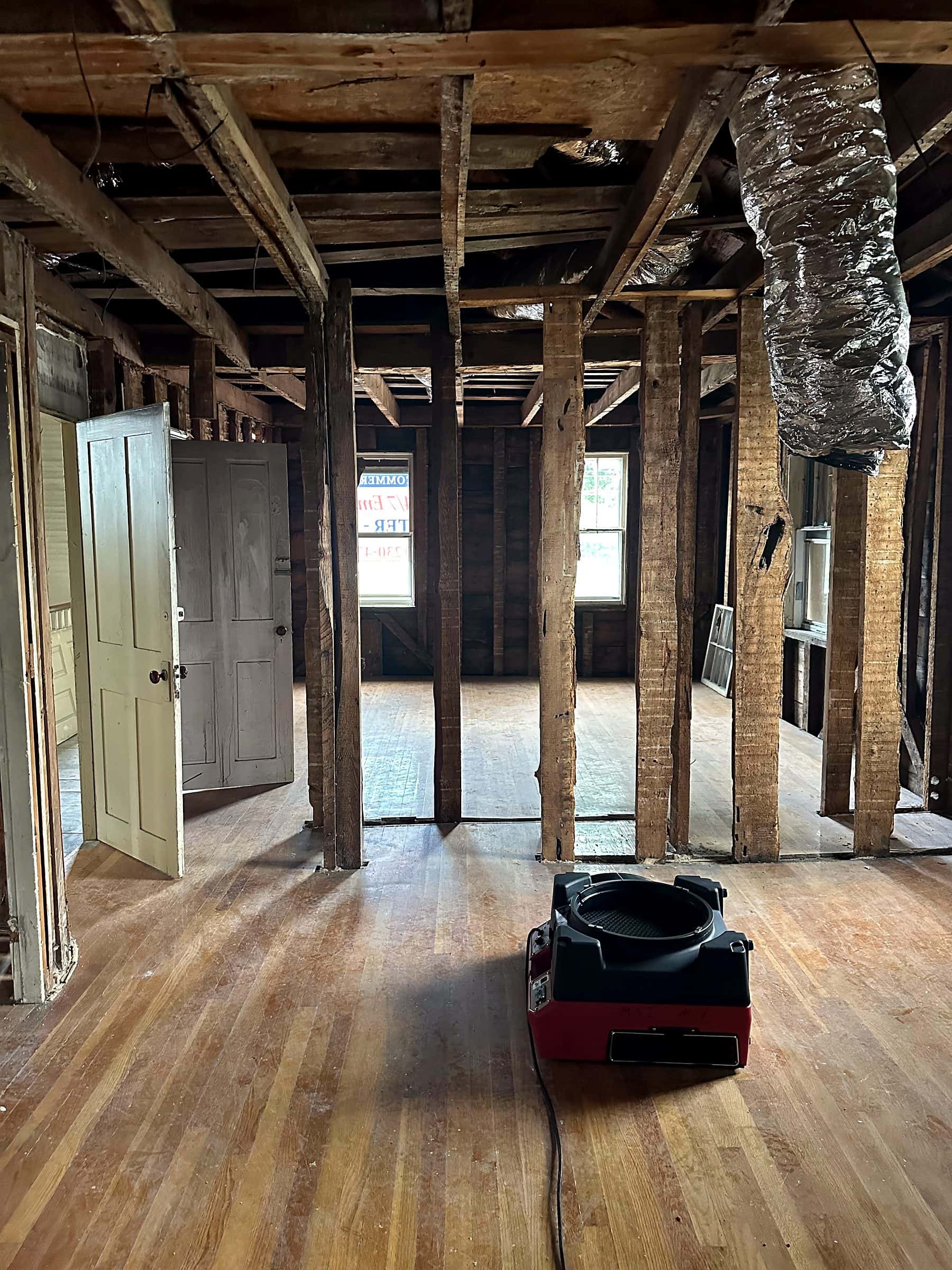
- Air mover on hardwood
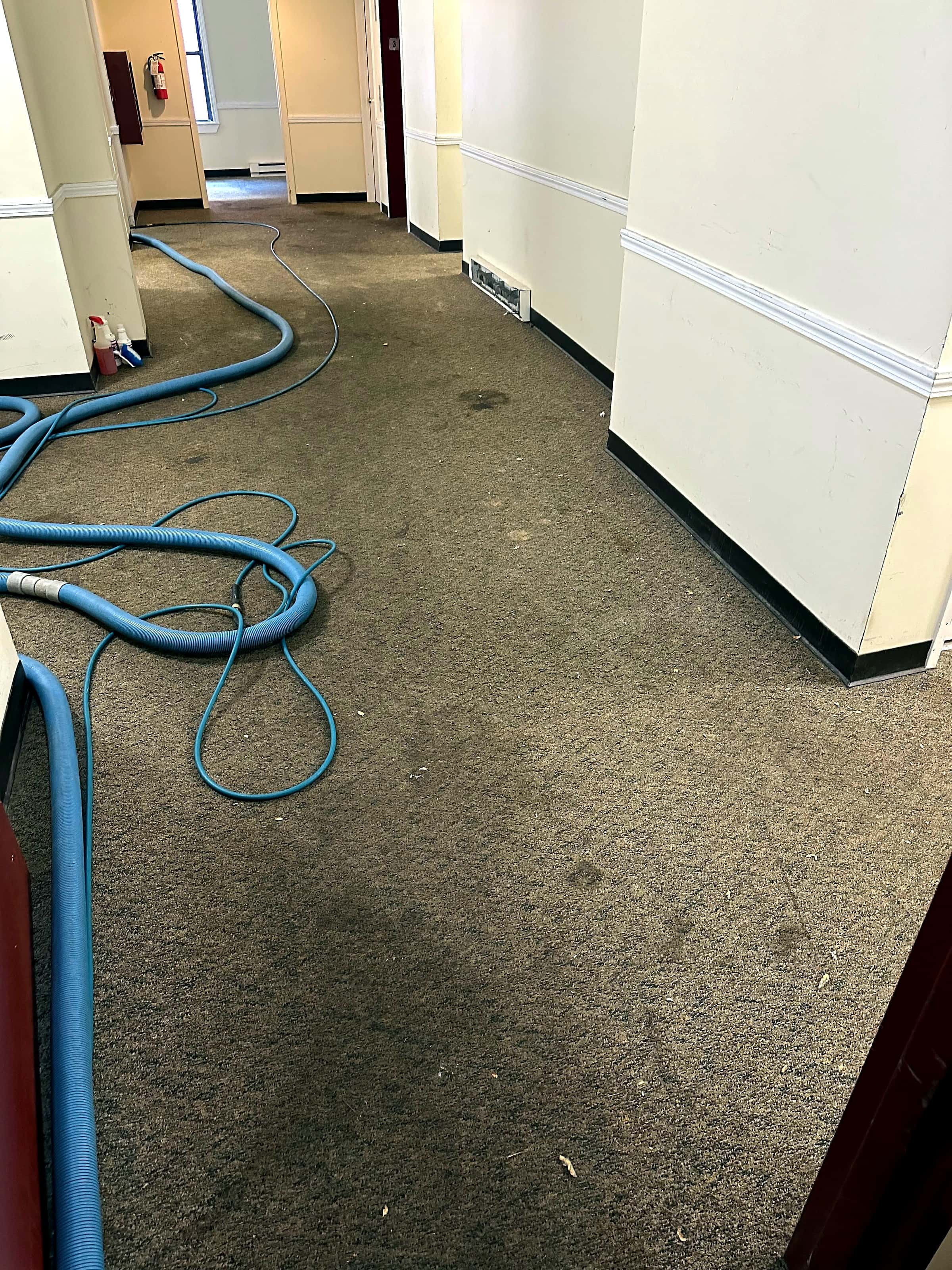
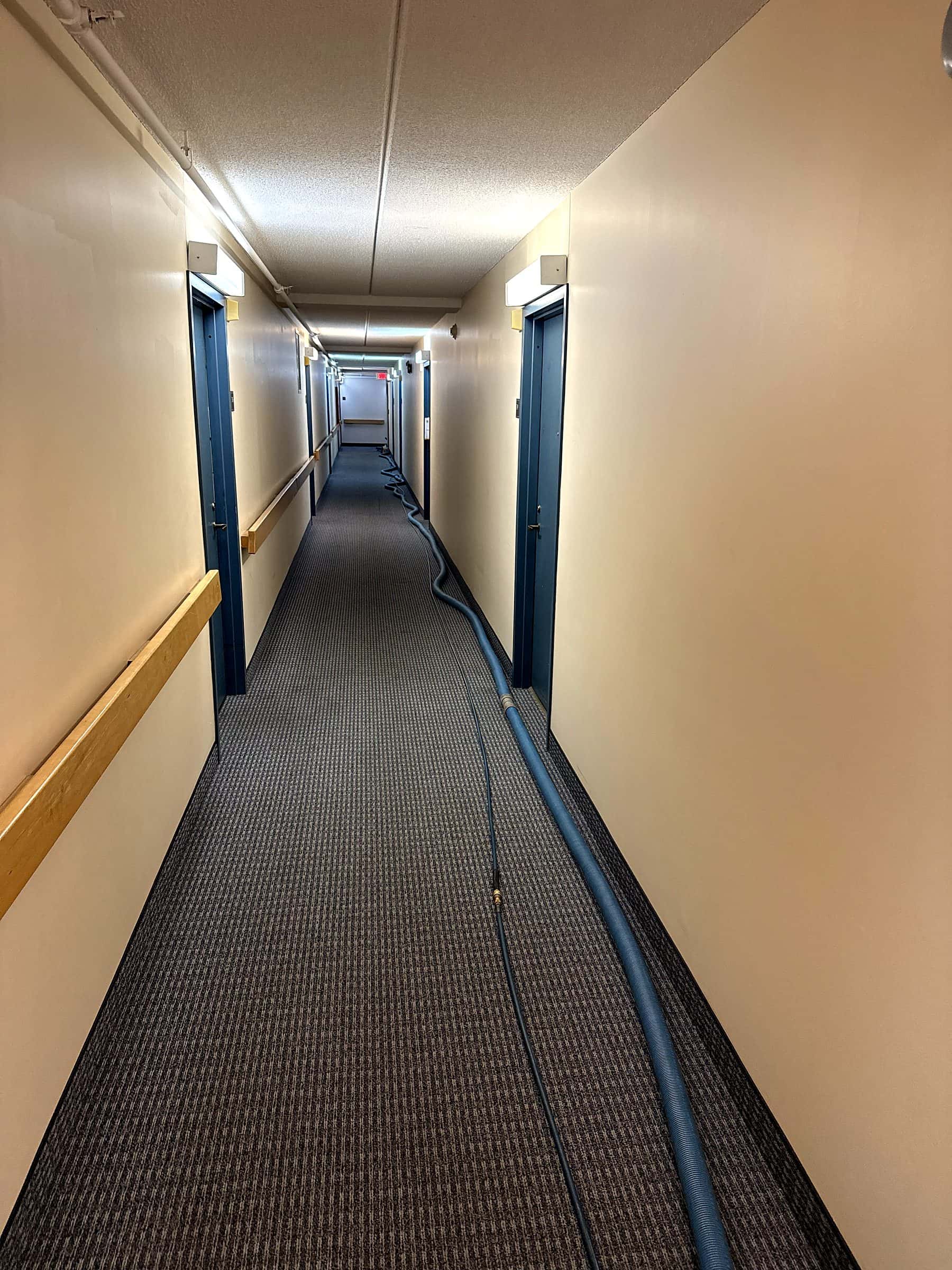
- Extraction hose, long corridor
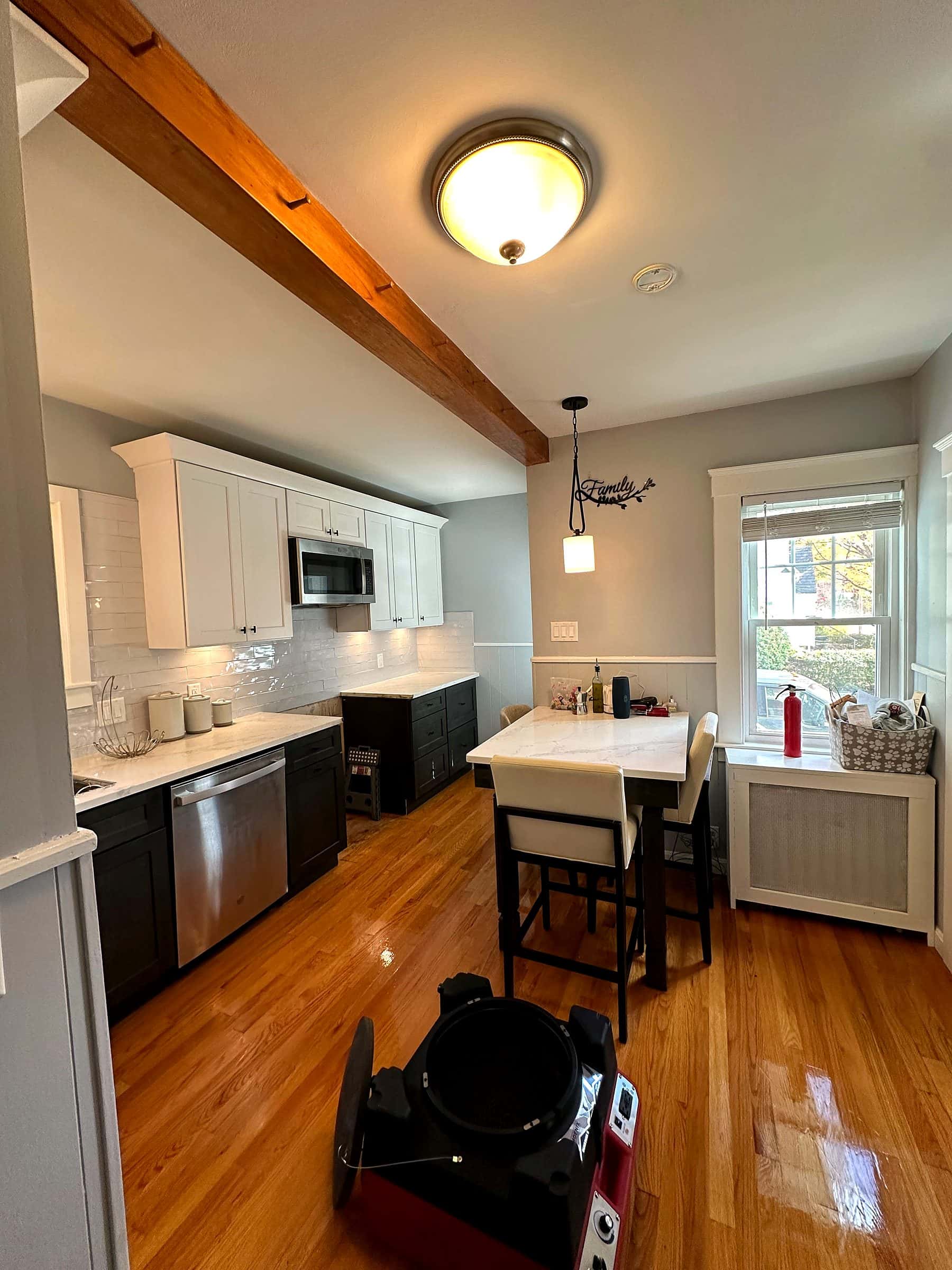
- Air mover, finished kitchen
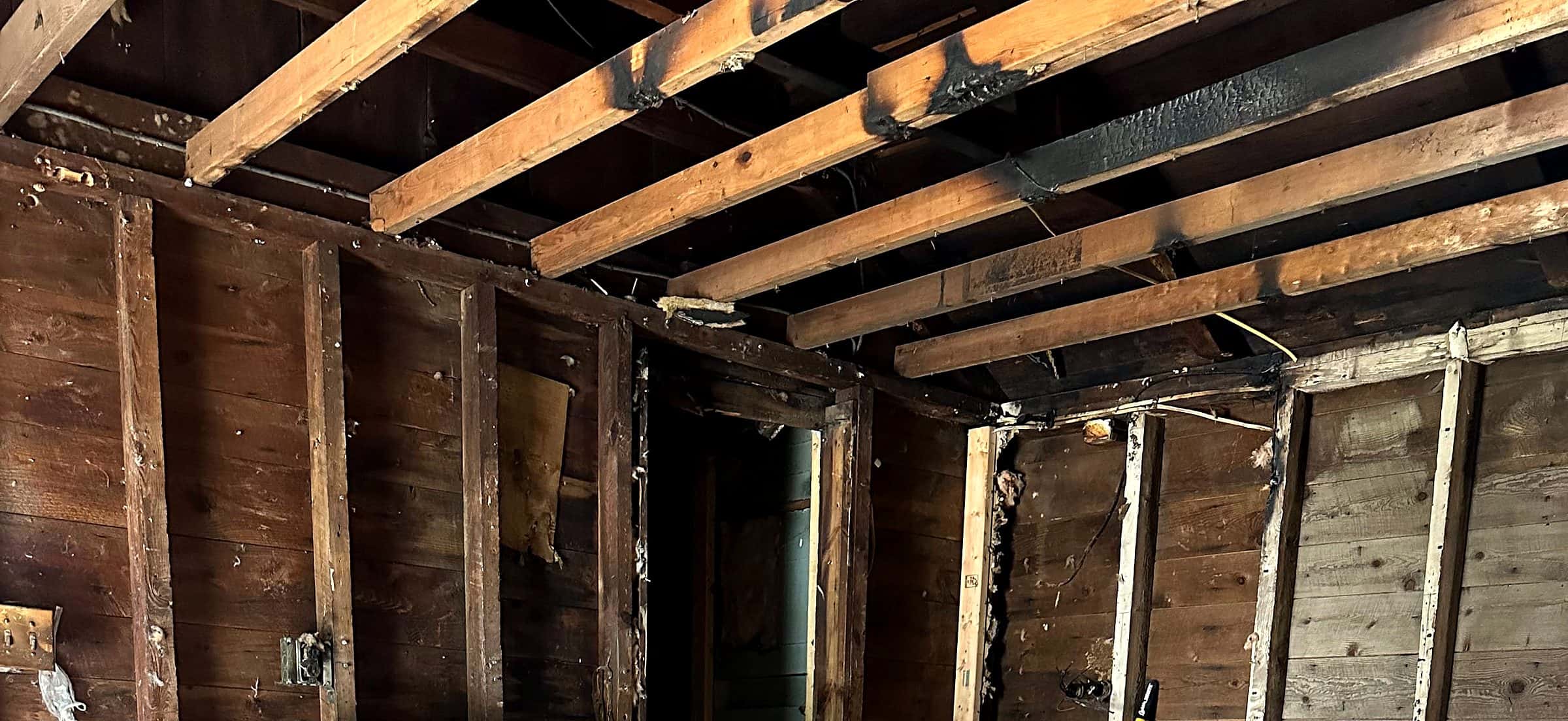
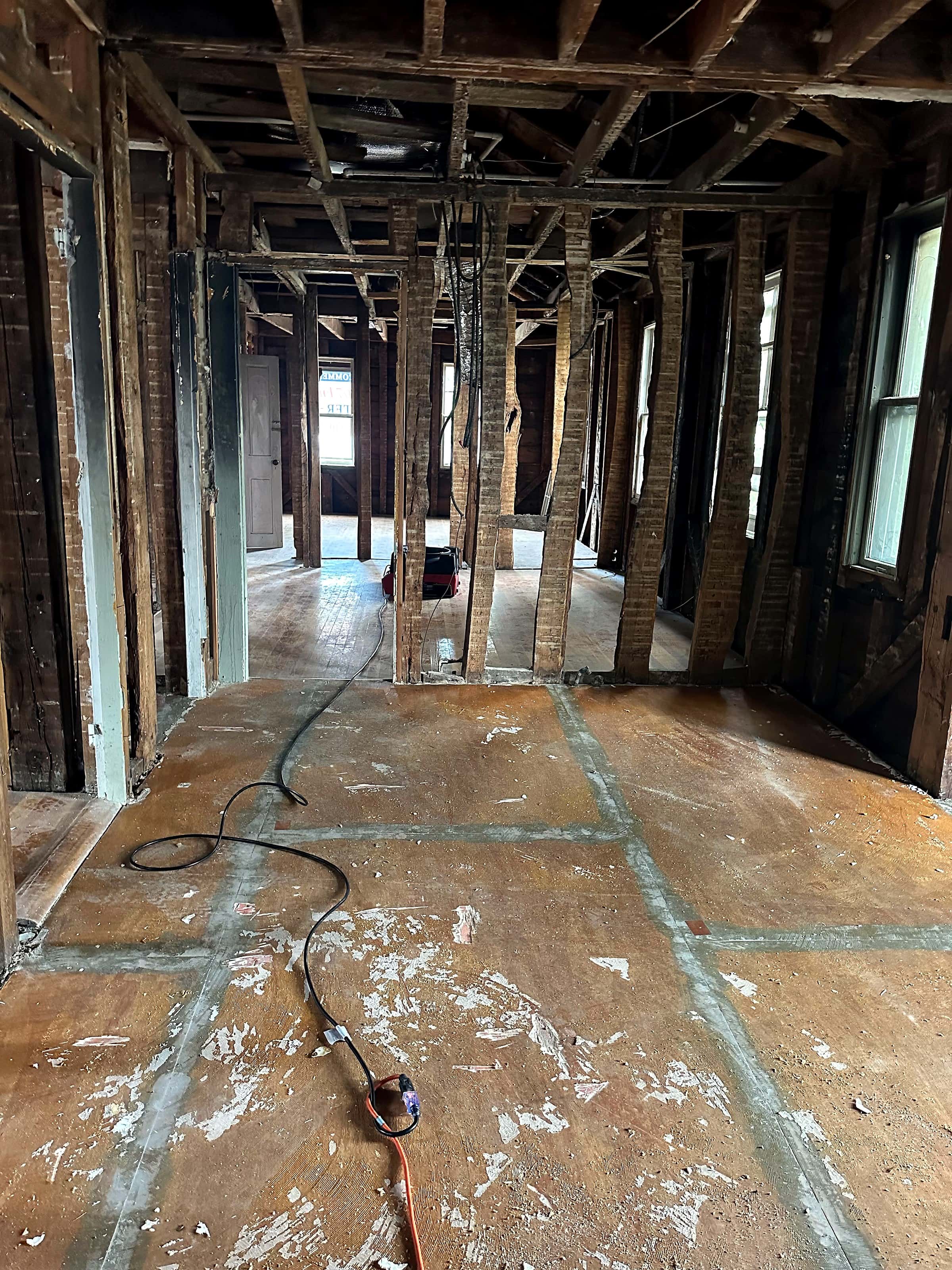
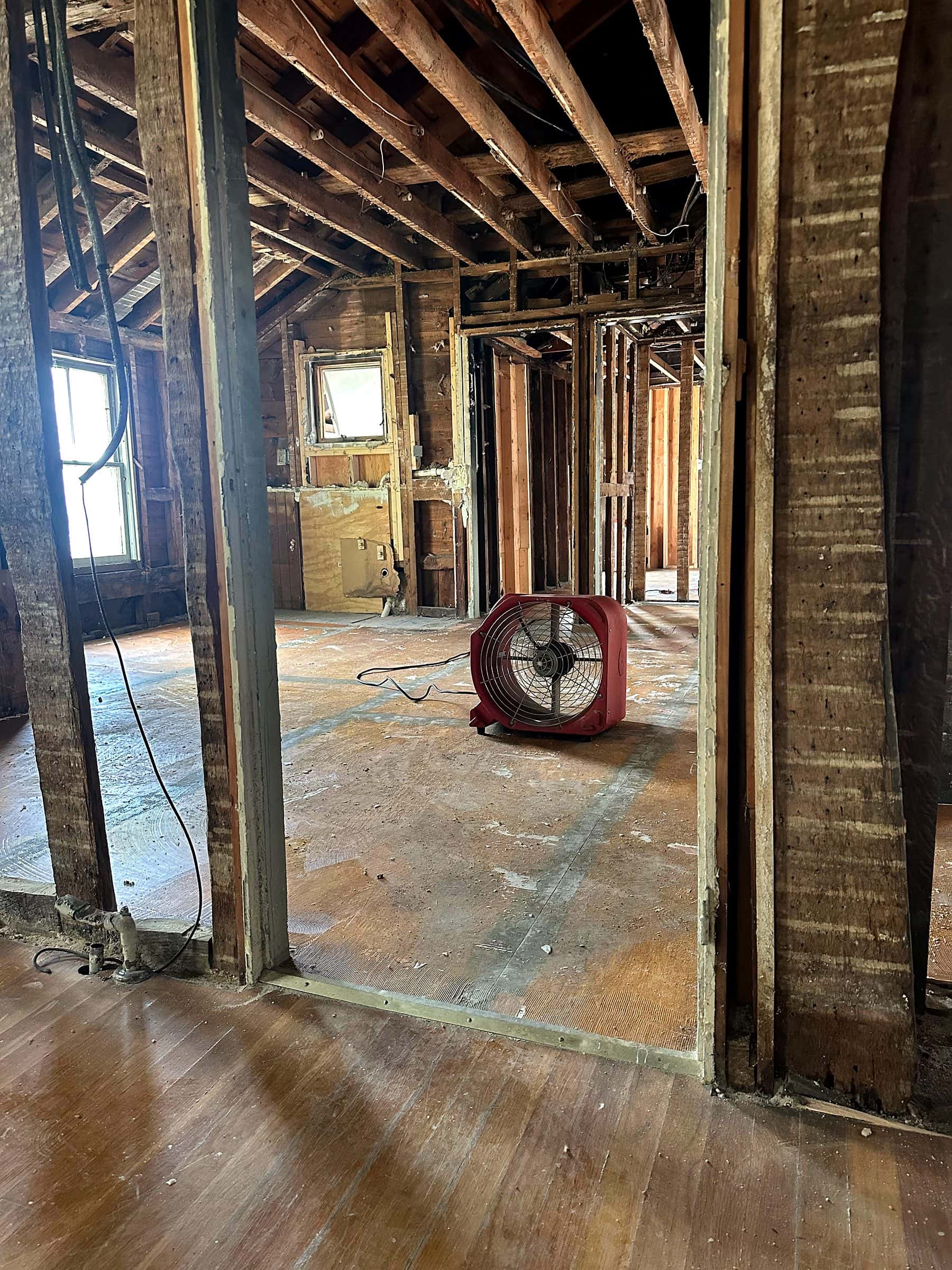
- Framed doorway, gutted building
Other divisions
Call the emergency line.
Answered at any hour.
For anything that isn’t an emergency, call the office. 508-764-6643Request a proposal